
Can't Pay Your Taxes: What This Situation Usually Means
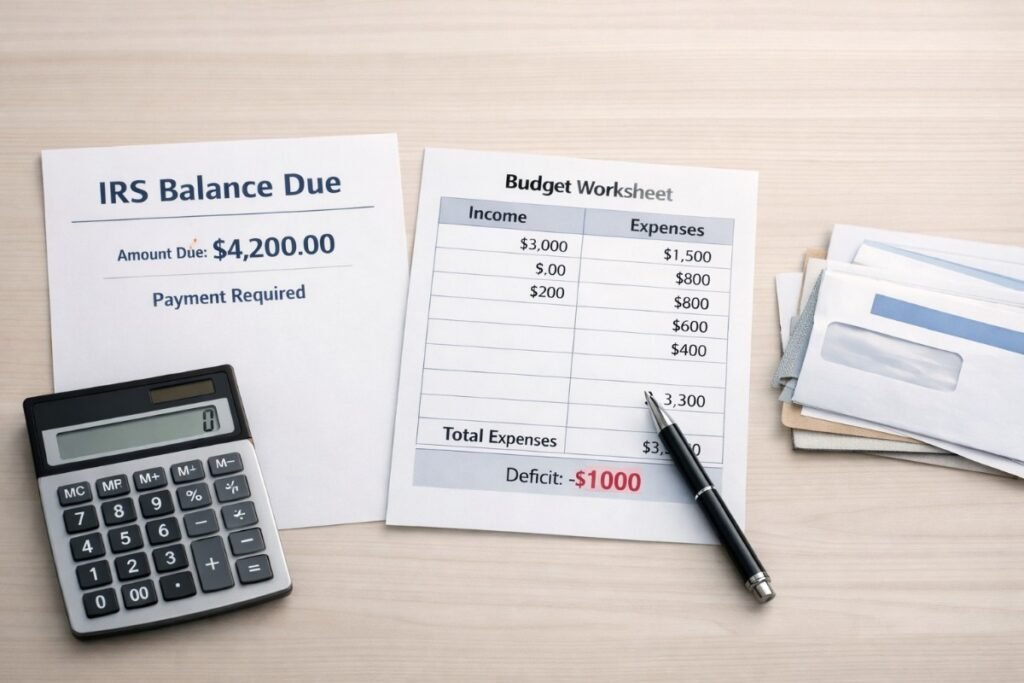
Being unable to pay your taxes is a common financial situation that many people face at some point. It can feel overwhelming, especially when tax deadlines approach or when notices arrive from the IRS. However, this situation doesn’t mean you’re facing immediate crisis or that enforcement is automatic.
The inability to pay taxes in full happens for many reasons and across different income levels. Understanding what this situation typically means, how it develops, and what generally happens next can help reduce anxiety and clarify what most people experience in similar circumstances.
What This Situation Generally Means
When someone can’t pay their taxes, it means they have a tax liability they’ve calculated or that the IRS has assessed, but they don’t have the financial resources to pay the full amount by the due date. This is distinct from disputing whether taxes are owed or from choosing not to pay – it’s about genuine inability to access the funds needed.
The situation is more common than many people realize. Economic disruptions, unexpected expenses, changes in income, business losses, medical costs, and other financial pressures affect millions of taxpayers each year. Some people can’t pay when they file their return and realize they owe. Others develop payment difficulties after the IRS assesses additional tax through an audit or notice.
The inability to pay doesn’t change the legal obligation to file a return if required, and it doesn’t make the debt disappear. However, it also doesn’t automatically trigger the most serious collection actions. The IRS has processes designed to handle situations where taxpayers acknowledge what they owe but lack immediate means to pay.
How People Commonly End Up Here
People arrive at this situation through numerous paths, often involving circumstances beyond their control. Job loss or reduction in income is a frequent factor—someone may have earned more during the tax year than they’re earning now, leaving them unable to pay the resulting tax bill. Self-employed individuals and small business owners sometimes face this when revenue decreases or expenses increase unexpectedly. Inadequate tax withholding throughout the year can also lead here—if not enough tax was withheld from paychecks or quarterly estimated payments weren’t made, a large balance can come due at filing time.
Life events such as divorce, medical emergencies, or family care responsibilities can drain financial resources that would otherwise go toward taxes. Investment gains or retirement account withdrawals sometimes create unexpected tax obligations. People dealing with multiple financial pressures simultaneously—such as debt, housing costs, or essential expenses—may find tax payments impossible to prioritize when resources are limited. Fear and avoidance can worsen the situation; someone who owes but can’t pay might delay filing or responding to IRS notices, allowing interest and penalties to accumulate and making the problem larger.
Common Misunderstandings
Several misconceptions commonly arise around inability to pay taxes. Many people believe that if they can’t pay, they shouldn’t file their tax return, but filing and not paying is typically better than not filing – failure to file penalties are generally higher than failure to pay penalties. Some think the IRS will immediately seize their assets or garnish their wages if they can’t pay, but collection actions typically follow a process with multiple notices and opportunities to address the situation before enforcement.
Others believe that inability to pay means they qualify for programs that eliminate the debt, but most IRS arrangements involve paying the full balance over time rather than reduction. Some people think ignoring the situation will make it go away or that the IRS might not notice, but tax debts don’t expire quickly and the IRS’s systems track unpaid balances.
There’s also a misconception that if you’re making any payment, even a small amount, the IRS won’t pursue collection, but the IRS evaluates whether payment arrangements are adequate based on various factors. Many believe all payment arrangements require the same terms, but the IRS has different programs with different requirements and not everyone qualifies for every option.
What Options People Typically Consider at This Stage
People facing inability to pay often seek help or clarification when certain factors come into play. Large balances commonly prompt this—when someone owes tens of thousands of dollars and has no clear path to payment, they often want to understand what options might exist. Multiple tax years of unpaid taxes increase complexity and often lead people to seek guidance on how to address accumulated debt. Receipt of collection notices, particularly those mentioning liens or levies, frequently prompts people to want professional perspective on what’s happening and what might happen next.
Confusion about which IRS programs or arrangements might be available and which might apply to their situation leads many to seek clarification. Business owners and self-employed individuals with unpaid taxes often face added complexity around business operations and personal liability. People who’ve tried to work with the IRS directly but found the process confusing or haven’t reached resolution sometimes seek assistance.
Those facing other financial pressures simultaneously – such as bankruptcy consideration, debt negotiations, or major life changes – often want help understanding how tax obligations fit into the broader picture. The decision to seek help varies widely; some people handle inability to pay situations independently while others want professional guidance, depending on individual circumstances and comfort levels.
When People Usually Seek Professional Help
Many taxpayers handle CP14 notices on their own, especially when the balance is small and straightforward. However, people often seek assistance from tax professionals, enrolled agents, or tax attorneys in certain situations. Large balances that seem unaffordable often prompt people to consult with someone who can explain all available payment options and negotiate on their behalf. When multiple tax years are involved or when someone has received several IRS notices without understanding the full scope of what they owe, professional guidance can help create a comprehensive resolution strategy.
If the amount on the notice doesn’t match the taxpayer’s records or if there are questions about whether the tax was calculated correctly, professionals can help dispute the amount or request an audit reconsideration. People who are self-employed or have complex tax situations sometimes prefer having representation, particularly if they anticipate ongoing compliance issues. As the collection process escalates toward CP504 or beyond, more people seek professional help because the stakes become higher and the options more complex.
Key Takeaways
- Inability to pay taxes is a common situation that doesn't automatically trigger immediate IRS enforcement actions
- This situation can arise at different stages—when filing, after receiving IRS notices, or during collection—and where it occurs affects what typically happens next
- Filing a return even when unable to pay is generally better than not filing, as penalties differ
- People typically consider factors like partial payment, timing, whether to contact the IRS proactively, and how long the inability to pay might last
- The IRS has processes for handling payment difficulties, though these vary based on individual circumstances and don't eliminate the underlying obligation
This page provides general informational content only and is not affiliated with the IRS or any government agency.