
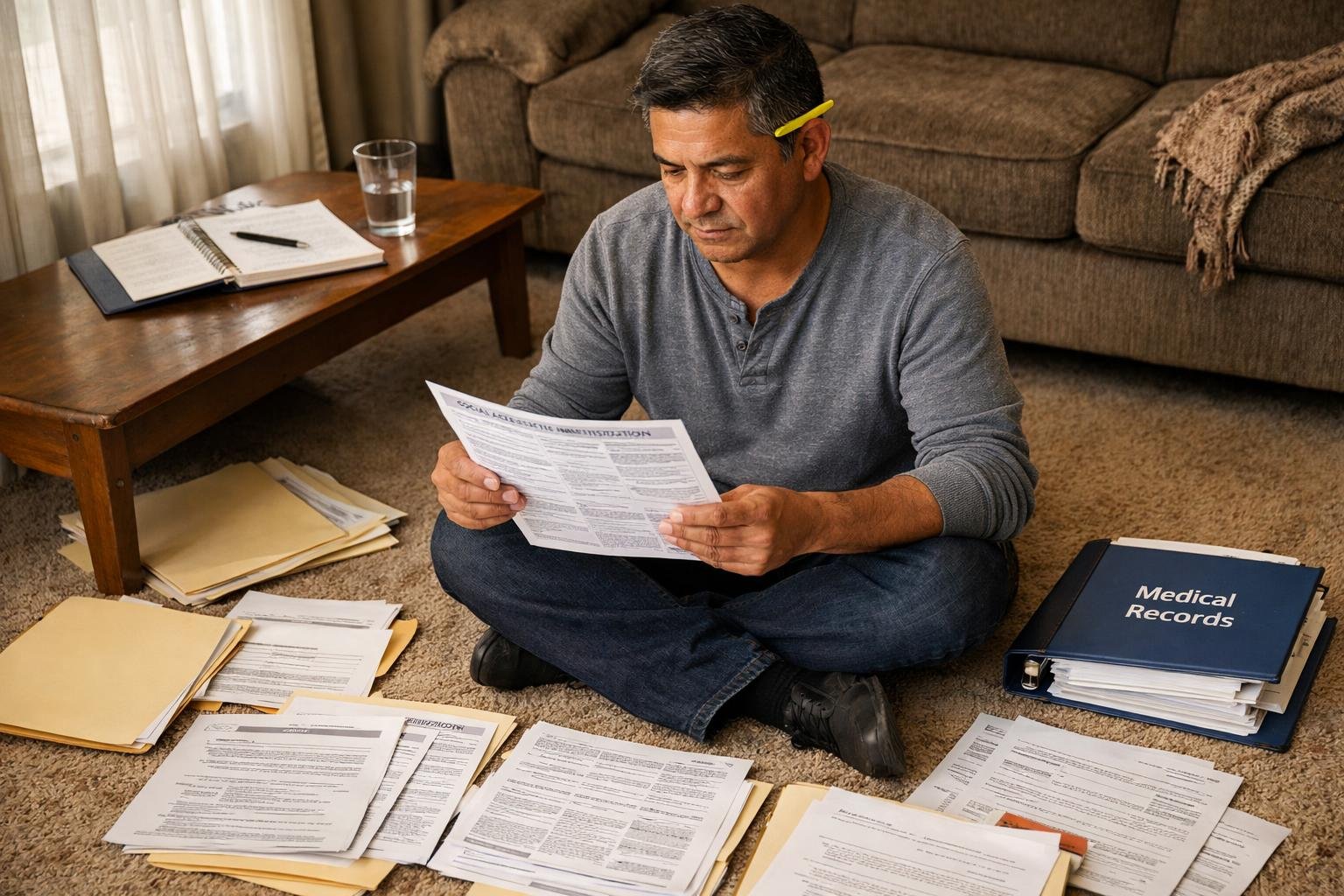
When the Social Security Administration denies a disability claim, the SSA-561-U2 is the form that officially starts the reconsideration process.
Understanding what this form does, what it asks for, and how to complete it correctly can make a meaningful difference in how smoothly your reconsideration proceeds. This guide walks through the form in plain language, covering its purpose, the information you will need to provide, and what happens after you submit it.
What the SSA-561-U2 Is and Why It Exists
The SSA-561-U2, formally titled “Request for Reconsideration,” is a standardized Social Security Administration form used to appeal an initial determination on a disability claim. When SSA sends a denial notice, it includes information about your right to appeal. Filing this form is how you exercise that right at the first level of the appeals process.
The form applies to a range of SSA decisions, not just initial SSDI denials. It can be used to appeal decisions about Social Security Disability Insurance, Supplemental Security Income, and certain other benefit-related determinations. The specific type of decision being appealed affects which review process applies, but the form itself is the same starting point.
The 60-Day Filing Window
SSA gives claimants 60 days from the date they receive the denial notice to file a Request for Reconsideration. The agency assumes you received the notice five days after it was mailed, so in practice the effective window is 65 days from the date printed on the notice.
Missing this deadline does not automatically close your case, but it does require an additional step. You would need to provide SSA with a reason for the late filing, and SSA evaluates those explanations on a case-by-case basis. Filing on time is the much preferred option as it is the straightforward path and preserves your appeal rights without requiring any additional explanation.
Sections of the Form Explained
The SSA-561-U2 is not a long form, and most claimants can work through it in a single sitting. Here is what each section covers.
- Claimant identification. The form opens with basic identifying information: your name, Social Security number, and the name of the wage earner if the claim is based on someone else’s earnings record. This section establishes whose claim is being appealed.
- Type of claim. You will indicate whether the claim involves SSDI, SSI, or another type of Social Security benefit. This helps SSA route your request to the correct review unit.
- Reason for disagreement. The form includes a space for you to briefly explain why you disagree with SSA’s decision. You do not need to write a detailed legal argument here. A few clear sentences explaining the basis of your disagreement is sufficient. Common examples include noting that new medical evidence exists or that the original decision did not accurately reflect the extent of your condition. Keep the explanation factual and specific.
- Review type selection. For medical disability claims, you will generally choose between a case review, an informal conference, or a formal conference. A case review means a different SSA examiner reviews your file without you present. An informal conference allows you to meet with an SSA representative to present your case. A formal conference follows a more structured process with additional procedural requirements. Most claimants select a case review or informal conference at this stage.
- Signature and date. The form must be signed and dated by the claimant or an authorized representative. If someone is filing on your behalf, they will need to have the appropriate authorization on file with SSA.
Supporting Documentation
The SSA-561-U2 itself is brief, but the documentation you submit alongside it carries significant weight. Reconsideration is an opportunity to address gaps or inaccuracies in your original file, and submitting updated or additional medical evidence is one of the most constructive steps you can take at this stage.
Relevant documentation can include recent treatment records, updated physician statements, test results, or records from specialists seen after the original determination. If the initial denial identified missing or insufficient records, the reconsideration stage is the appropriate time to address those specific points.
You do not need to wait until all documentation is gathered before filing the form. Submitting the SSA-561-U2 within the deadline preserves your appeal rights, and you can continue providing supporting documents as the review proceeds. Allowing the deadline to pass while gathering records creates unnecessary risk to your appeal.
Where to Submit the Form
Completed forms can be submitted in several ways. You can file online through SSA’s official website at ssa.gov, which provides a guided process for completing the form electronically. You can also mail the completed form to your local Social Security office or deliver it in person. Visiting an office in person allows you to confirm receipt and ask any immediate questions.
If you are working with an authorized representative, they can submit the form on your behalf once the proper representation paperwork is in place.
What Happens After You File
After SSA receives your Request for Reconsideration, the case is assigned to a Disability Determination Services examiner who was not involved in the original decision. That examiner reviews your complete file along with any new evidence you submitted.
Processing times vary. In many cases, claimants wait several months for a reconsideration decision. SSA may contact you during this period to request additional information or clarification, and responding promptly to those requests helps keep the process on track.
The possible outcomes are an approval or an upholding of the original denial. If the reconsideration is denied, the next step in the appeals process is requesting a hearing before an Administrative Law Judge, which is a separate and more detailed review.
Getting a Copy of the Form
The SSA-561-U2 is available directly from ssa.gov, where you can download a printable version or complete it online. Local SSA offices also keep printed copies available. The denial notice you received should include instructions for requesting reconsideration, and those instructions will point you toward the form and the filing options that apply to your situation.
Return to hub:
Browse more SSDI Reconsideration help topics.
Disclaimer: Content on SSDIReconsiderationHelp.com is for general informational purposes only and does not constitute legal, medical, or professional advice.